What is Space Management Software?

ServiceChannel
Space management software is a digital solution that helps organizations plan, track, and optimize how their physical space is used across facilities. Instead of relying on spreadsheets or manual floor plans, space management systems use real-time data to show how every square foot is utilized or could be reconfigured for better performance. In facilities and real estate management, effective space management software can reduce costs, enhance employee and guest experiences, and create more efficient, flexible environments.
Key Takeaways:
- Optimize space utilization with accurate, real-time data
- Reduce spend by identifying and repurposing underutilized areas
- Enable agility for hybrid work models and multi-location enterprises
- Improve employee and customer experiences with smarter layouts
- Empower informed decision-making across your entire facilities portfolio
Introduction
Workplace strategies have changed dramatically in recent years. With the rise of remote and hybrid models, evolving employee expectations, and pressure to control real estate costs, many facilities teams now manage more space than they need. Empty desks, unused conference rooms, and underutilized square footage all add up to wasted spend and inefficiency.
Space management software gives facilities teams the insights to right-size their space. With real-time data on usage and occupancy, you can cut waste, improve workflows, and better support employees, all while controlling spend.
For teams using ServiceChannel, space management becomes part of a broader facilities management ecosystem that delivers visibility, faster decision-making, and peak performance across every location.
Space Management Software: A Definition
Space management software is a digital tool that gives you a clear, data-backed view of how you use your physical spaces and how these areas can perform better. Real-time occupancy and allocation data replace static spreadsheets, helping you identify underutilized areas and make smarter decisions about reconfiguration, consolidation, or expansion.
Think of it as a living map of your workplace. The system updates automatically as teams grow, departments move, or layouts evolve, keeping data accurate and actionable at all times.
Across industries, space management supports agility and peak performance. Retailers can test floor layouts to guide customer flow, corporate offices can adapt spaces for hybrid work, and healthcare teams can maintain compliance while improving safety and patient experiences.
Key Benefits of Space Management Software
It Optimizes Space Utilization
Every inch of your facility carries a cost. Space management software lets you see how your physical spaces are used, identifying underutilized areas and opportunities to optimize space utilization. Real-time occupancy data shows you which conference rooms, workstations, or storage areas sit empty and which ones are overbooked. For example, space management systems can recommend a conference room layout that maximizes the number of people without overcrowding, or provide strategic space planning for retailers to optimize customer flow. These insights help you reassign or redesign space for maximum efficiency.
It Reduces Real Estate Spend
Unused space inflates real estate costs. By consolidating departments or subleasing vacant areas, organizations can significantly reduce overhead. Effective space management also helps prevent unnecessary expansion by making sure you’re using your available space to its fullest before investing in more.
It Enables Agility and Flexibility
Modern workplace strategies demand adaptability. Whether you’re managing multiple sites or balancing remote and hybrid models, a space management system lets you adjust quickly. With access to real-time data, you can forecast future conference room, storage area, or office space needs and adjust layouts quickly, ensuring your workspaces support new ways of working without disrupting operations.
It Enhances Employee Satisfaction
An intelligent office space management software solution makes the workplace more comfortable and collaborative. When employees can easily find open desks, meeting spaces, or quiet areas, they’re more productive and engaged. This kind of thoughtful space planning supports employee well-being and organizational performance.
It Drives Operational Efficiency
Space management is more than just seating charts. It’s a dynamic tool that improves your organization’s entire operational efficiency. Integrated reporting connects space usage data with maintenance, energy, and asset information to deliver actionable insights that drive better strategic decision-making.
With ServiceChannel, that visibility extends across your entire organization, connecting space utilization with vendor performance, work orders, and asset uptime.
Core Features to Look For
Space Visualization and Interactive Floor Plans
The best space management software gives you a complete view of facility layouts in real time. Interactive floor plans make it easier to experiment with configurations before committing to physical changes. You can preview how new furniture layouts or team assignments might affect traffic flow and comfort. Some systems provide 3D visualization so you can walk through a virtual representation of a proposed space before deciding on a design.
Real-Time Data Capture for Better Decisions
Accurate, real-time data sets effective space management tools apart from basic mapping software. Sensors and IoT integrations let you keep a close eye on occupancy data and usage trends across locations. This information helps you make informed decisions about where to adjust layouts or add capacity to get the best value from every square foot.
Simplified Room Reservation and Capacity Management
Modern workplaces depend on flexibility. Built-in reservation systems and capacity tracking let you book meeting spaces or shared work areas in seconds. These systems also keep a current record of usage patterns, so you can identify overbooked and underused meeting rooms. Over time, these insights help maximize space utilization and improve worker experience.
Facilities Management Software Integration Capabilities
A space management system doesn’t operate in isolation. It connects to broader facilities management tools for a complete picture of the environment. With maintenance schedules, vendor performance tracking, and asset management, you get one centralized source of truth. So you don’t have to hop from application to application to find the information you need.
ServiceChannel builds that connection into the platform, uniting space management, work order tracking, and vendor performance analytics in a single dashboard, giving you the visibility and agility to make better decisions faster.
Examples of Space Management in Action
Retail: Optimizing Flow and Experience
In retail, even a few square feet of floor space impacts sales. Space management solutions help create store layouts that guide customers naturally through merchandise and service areas. With interactive floor plans, you can test different product-placement arrangements and traffic routes before reorganizing a single shelf.
Corporate Offices: Supporting Hybrid Work
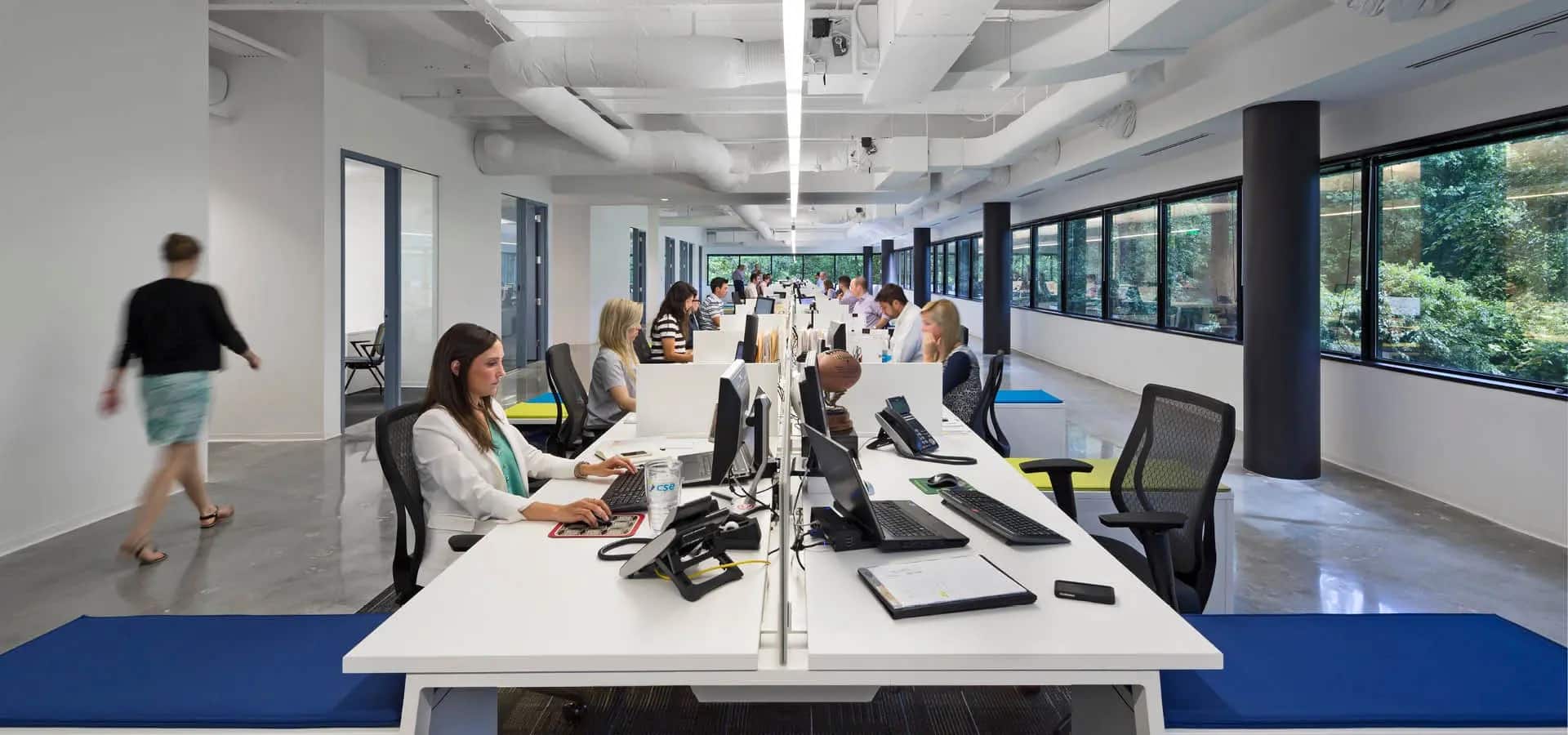
Modern offices rarely operate at full capacity every day. A space management system tracks space utilization and occupancy rates so you can better understand how you’re using desks, meeting rooms, and collaboration zones. This detailed view lets you add hot-desking options and size conference spaces to match the needs of your workplace model.
Multi-Site Portfolios: Managing Data at Scale
If you’re managing multiple locations, centralized visibility and connected data give you the agility to adapt quickly. Reliable space management tools aggregate occupancy and utilization metrics into a single dashboard, helping you spot trends, rebalance space in real time, and scale best practices across every site.
With ServiceChannel, those insights drive peak performance by linking space data with maintenance and vendor outcomes, so you can prioritize high-impact improvements, streamline operations, and keep every facility running at its best.
How Space Management Fits into Facilities Management
Space management doesn’t exist in a vacuum. It’s a core part of your overall facilities management strategy. Every inch of physical space connects to the systems and assets that keep your business running. From preventive maintenance to vendor coordination, the same data that improves space utilization can also enhance asset uptime and service quality across your organization.
When your space management software integrates with other tools like a computerized maintenance management system (CMMS) or enterprise asset management (EAM), you get a full picture of your operational performance. These systems work together to make sure maintenance, energy use, and occupancy data all feed into the same source of truth for faster, more informed decision-making.
For multi-location organizations, that level of integration lets you look directly at what’s working while giving you the agility to adapt quickly. You can spot areas that get little to no use, compare energy consumption between sites, and align work orders with space usage patterns to prevent waste.
ServiceChannel brings all of these capabilities together in one platform. By combining space management, maintenance tracking, vendor performance analytics, and real-time reporting, ServiceChannel helps facilities teams operate efficiently, with total confidence, peace of mind, and measurable cost savings.
Best Practices for Implementing Space Management Software
Conduct a Space Audit
Before implementing any new system, start with a detailed space audit. Capture how your current usage looks across all facilities. Review which areas are overbooked or underutilized and how employees interact with the environment. This baseline data provides a roadmap for improvement and helps you set measurable goals to reach peak performance across your portfolio.
Start Small
It’s tempting to roll out your space management software across every location all at once, but starting small gives your team the agility to test, learn, and scale what works. Focus first on high-cost or high-traffic zones like lobbies, conference rooms, or collaborative areas. These spaces provide the clearest insights into usage trends and demonstrate immediate ROI when optimized.
Use Occupancy Sensors
Pairing occupancy sensors with your space management system gives you accurate information about when and how occupants use available spaces. These insights help track peak occupancy hours and determine cleaning schedules, lighting, and HVAC management. The result is greater energy savings and consistent operational performance.
Involve Key Stakeholders
Successful space management implementation relies on collaboration between facilities teams, HR, IT, and leadership. Involving decision-makers early helps everyone understand the system’s purpose, benefits, and reporting capabilities. This collaboration also helps drive widespread adoption and stay in line with your broader workspace strategy.
Monitor Progress and Refine Continuously
Once the system is live, treat it as an evolving tool. Use reporting dashboards to monitor usage patterns, space allocation, and employee satisfaction over time. The best results come from continuously reviewing and making the necessary adjustments. With ServiceChannel, you can tie these metrics directly to asset and maintenance performance, turning every insight into an opportunity to sustain peak operational efficiency.
Make Every Space Work Harder for You With ServiceChannel
Space management software helps you get more value out of every square foot. With accurate, real-time data and clear visibility into how your spaces are used, you can reduce real estate spend, adapt quickly to change, and design more efficient, people-friendly workplaces.
When space management connects directly to your facilities management strategy, it turns everyday data into performance insights. The result is an agile organization that scales smoothly, optimizes resources, and delivers peak operational efficiency across all sites.
Turn your unused space into an advantage. Learn how ServiceChannel connects space data, maintenance insights, and vendor performance to help your business move faster and perform better.
FAQs
A space management system helps organizations plan, track, and optimize the use of their physical space. It uses real-time data and reporting tools to monitor occupancy, identify underutilized areas, and improve overall space utilization. By turning space data into actionable insights, facility leaders can make better decisions that enhance efficiency and reduce costs.
The three key components are data capture, analysis and visualization, and optimization. These work together to collect accurate information about space usage, translate data through interactive floor plans, and help organizations implement changes that improve occupancy and efficiency.
A common example is reconfiguring an office layout to accommodate hybrid or remote work models, or repurposing underused retail areas to increase customer engagement — such as widening aisles or recategorizing and rearranging goods. Both approaches ensure that every area serves a clear operational or customer purpose.
Space software, or space management software, provides digital tools for tracking, analyzing, and optimizing physical workspaces across your facilities. It centralizes data, automates reporting, and gives you a clear picture of how to improve space allocation.