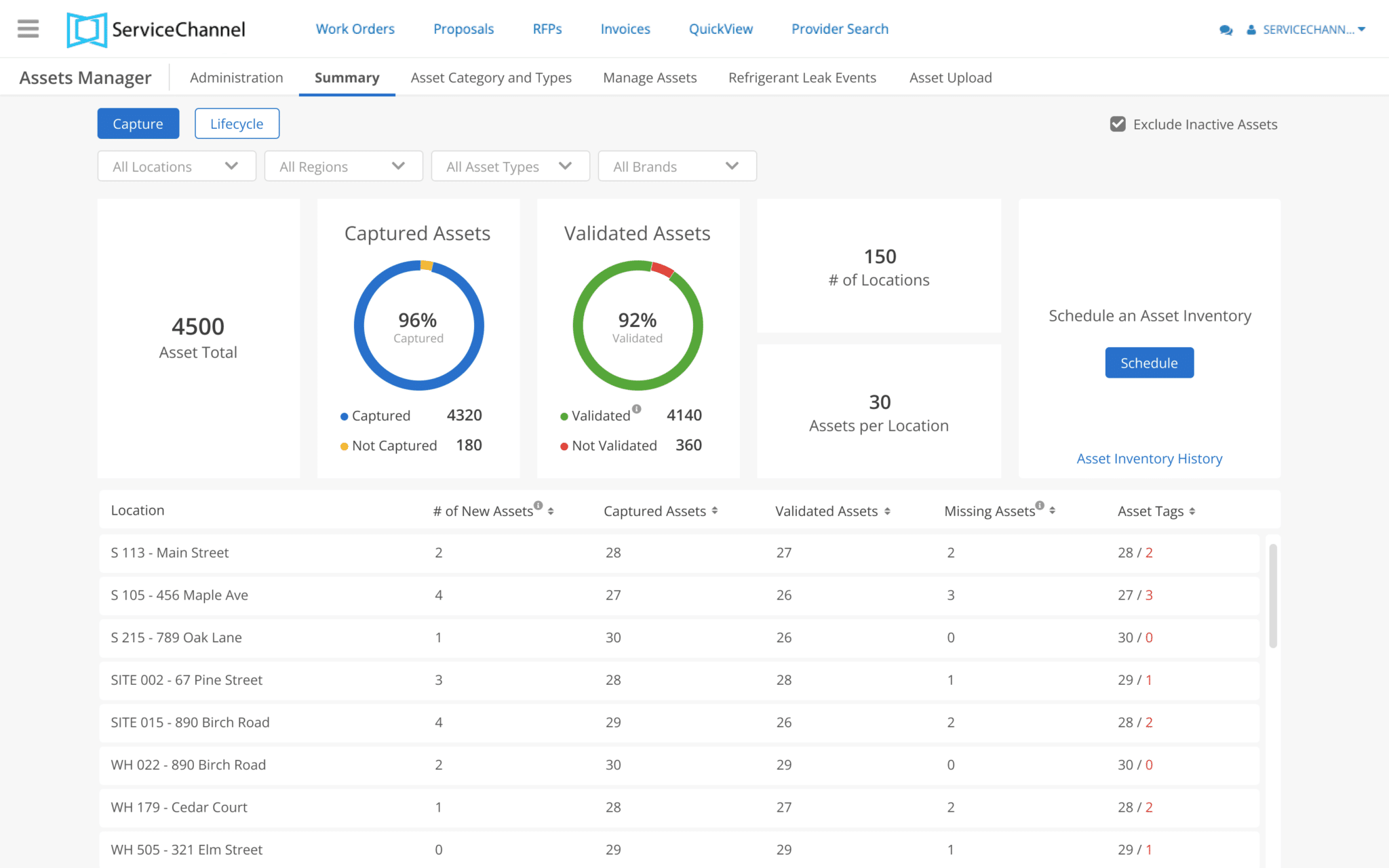
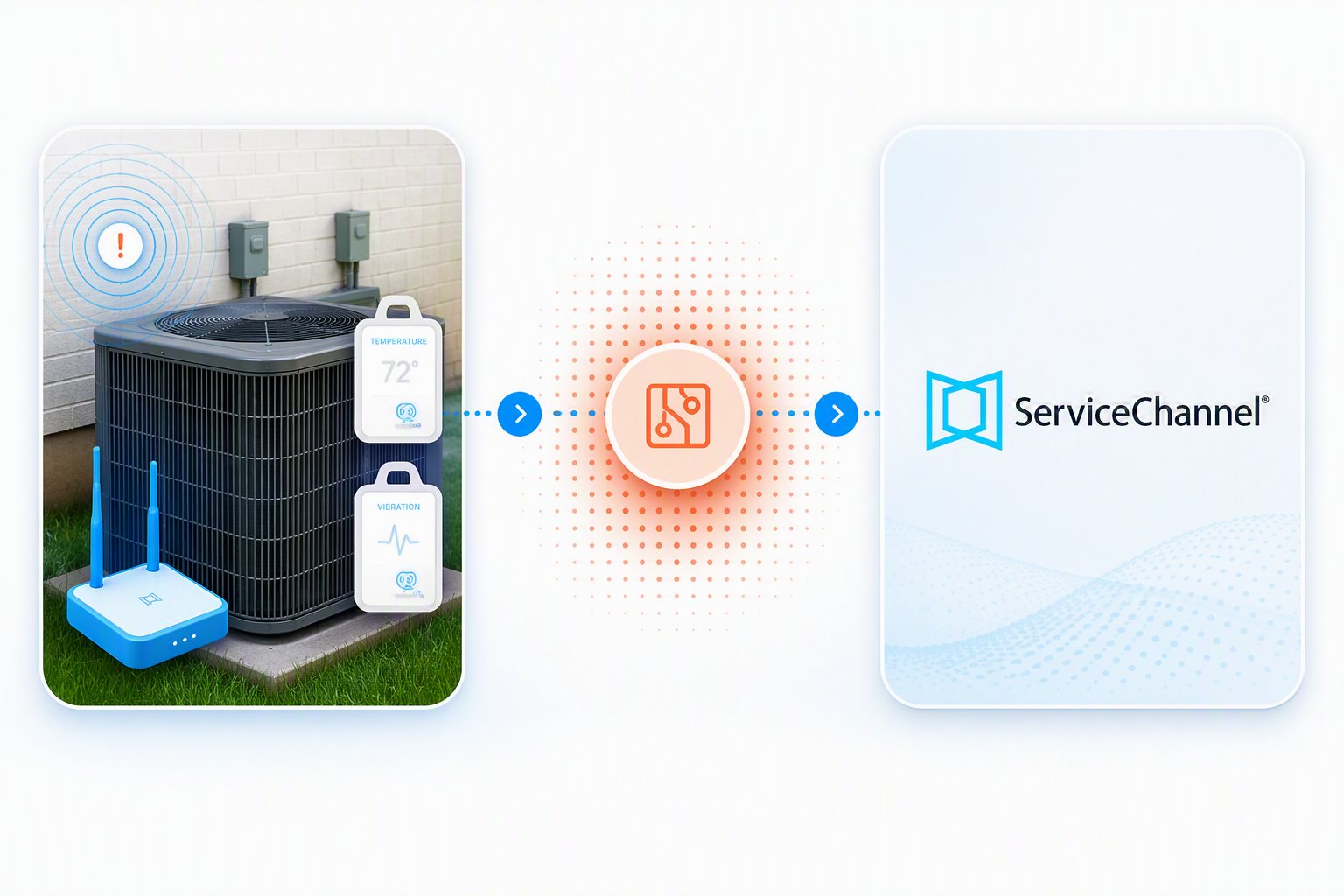
Get real-time visibility into asset condition, maintenance history, and spend — all in one place. The Assets module connects your equipment, providers, and work orders so you can make smarter repair, replacement, and capital planning decisions.
Reduce downtime and maintenance costs
Track asset data across your portfolio to reduce unnecessary spend and avoid costly downtime.
Make smarter repair vs. replace decisions
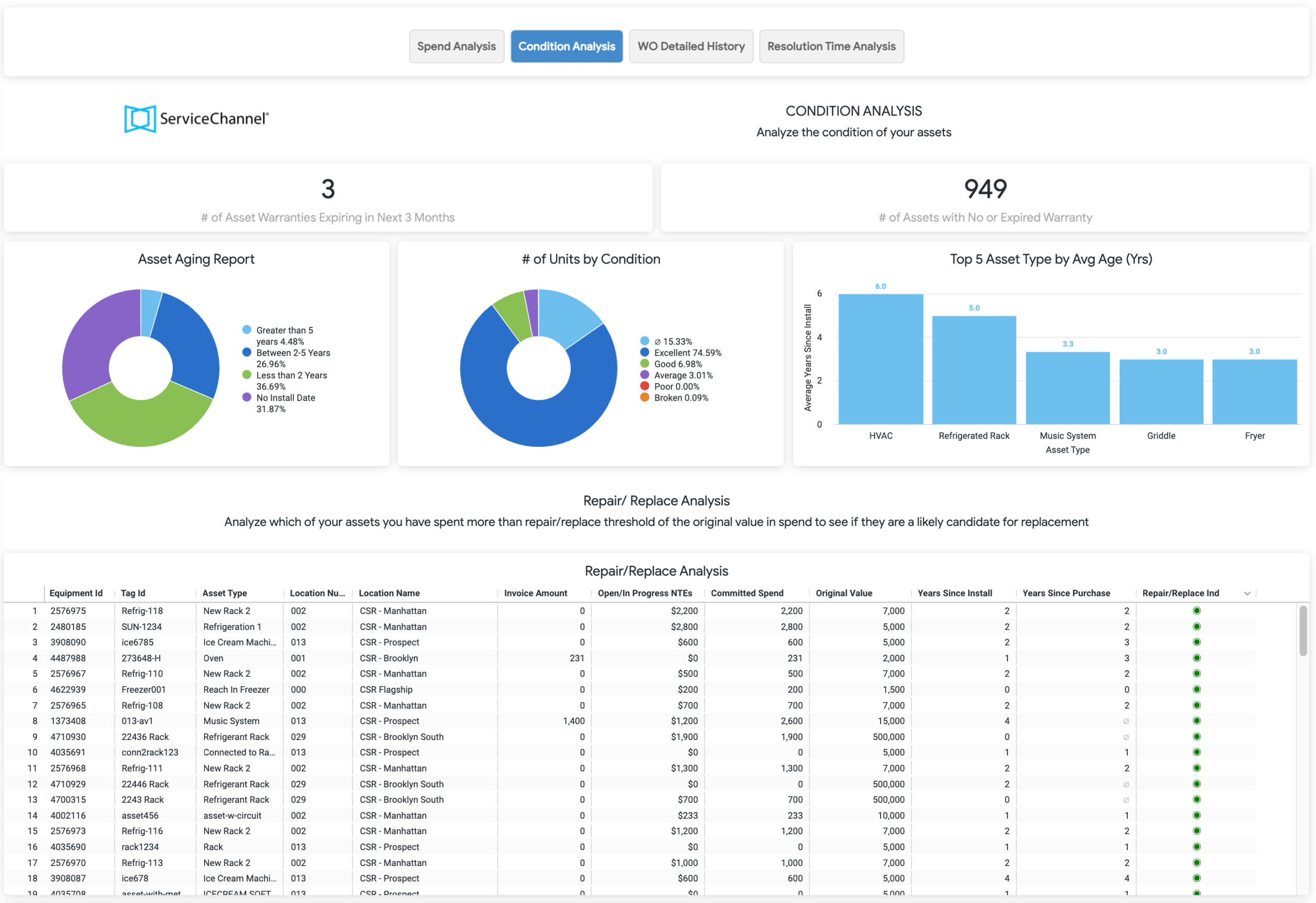
Compare maintenance costs, downtime, age, and performance trends to determine when repair is still worth it – and when replacement is the better investment.
Max out your warranties
Automatically route work covered under warranty to the right provider, so you never miss out on free fixes.
Highlights
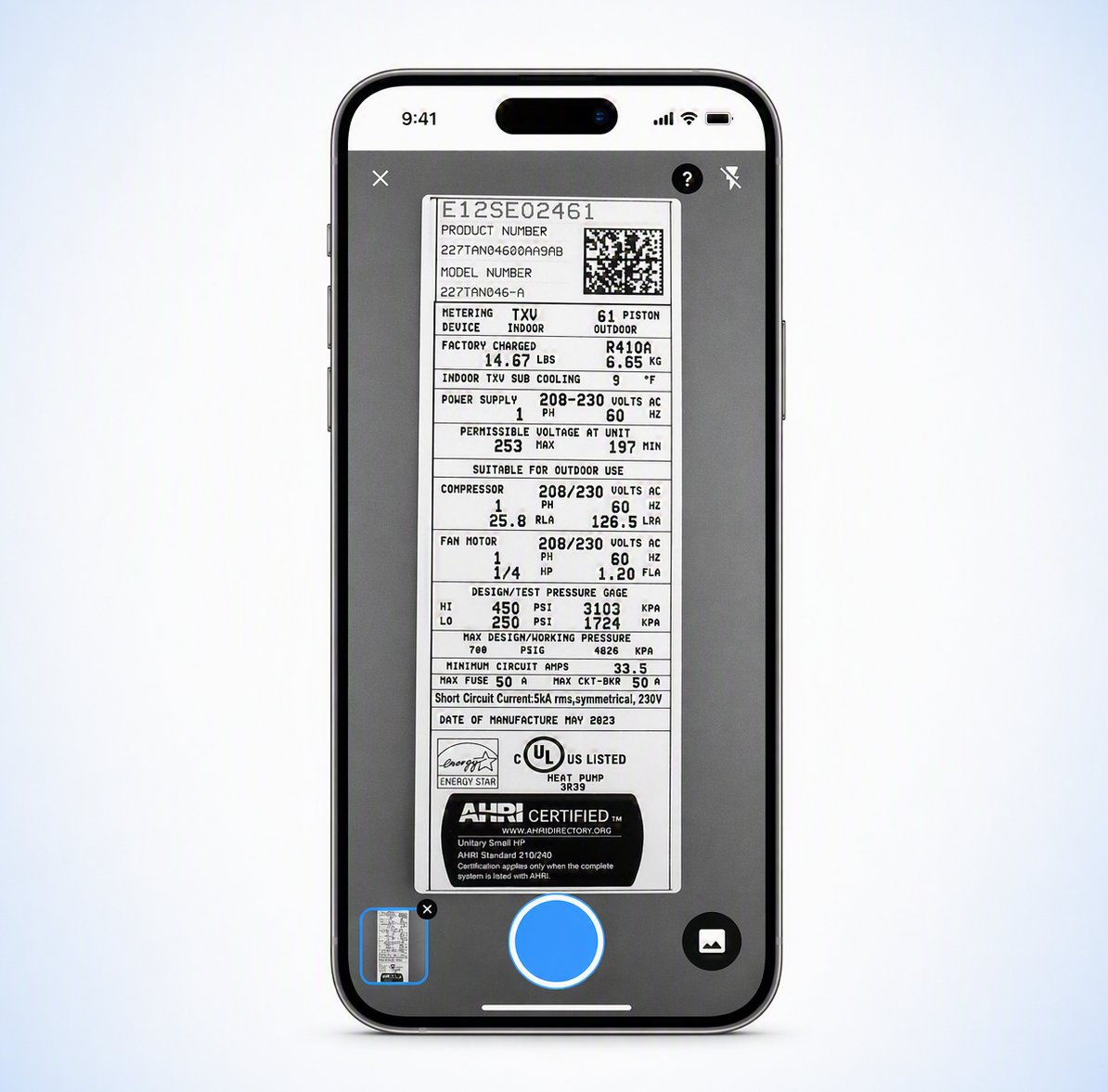
Capture asset data instantly with AI asset recognition
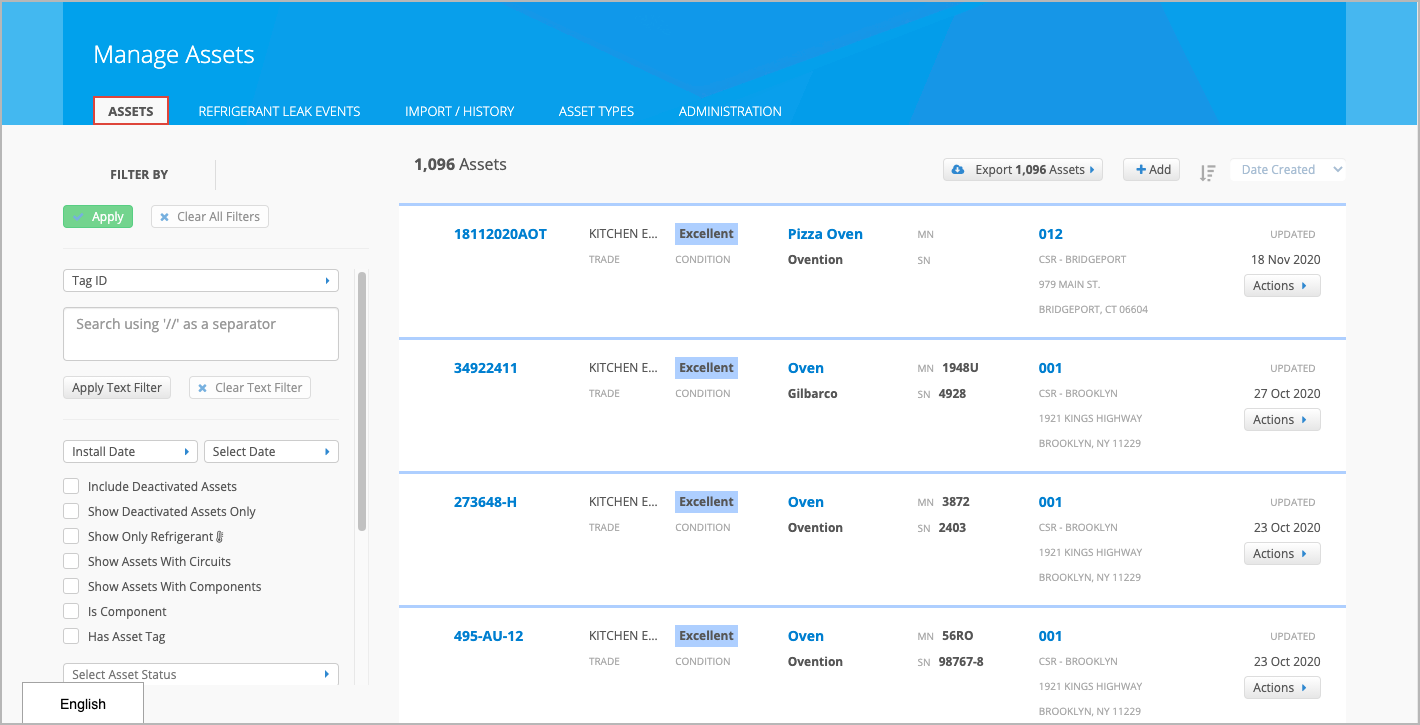
Track service history and total cost of ownership for every asset
Record repairs, preventive maintenance, parts, and costs in one place
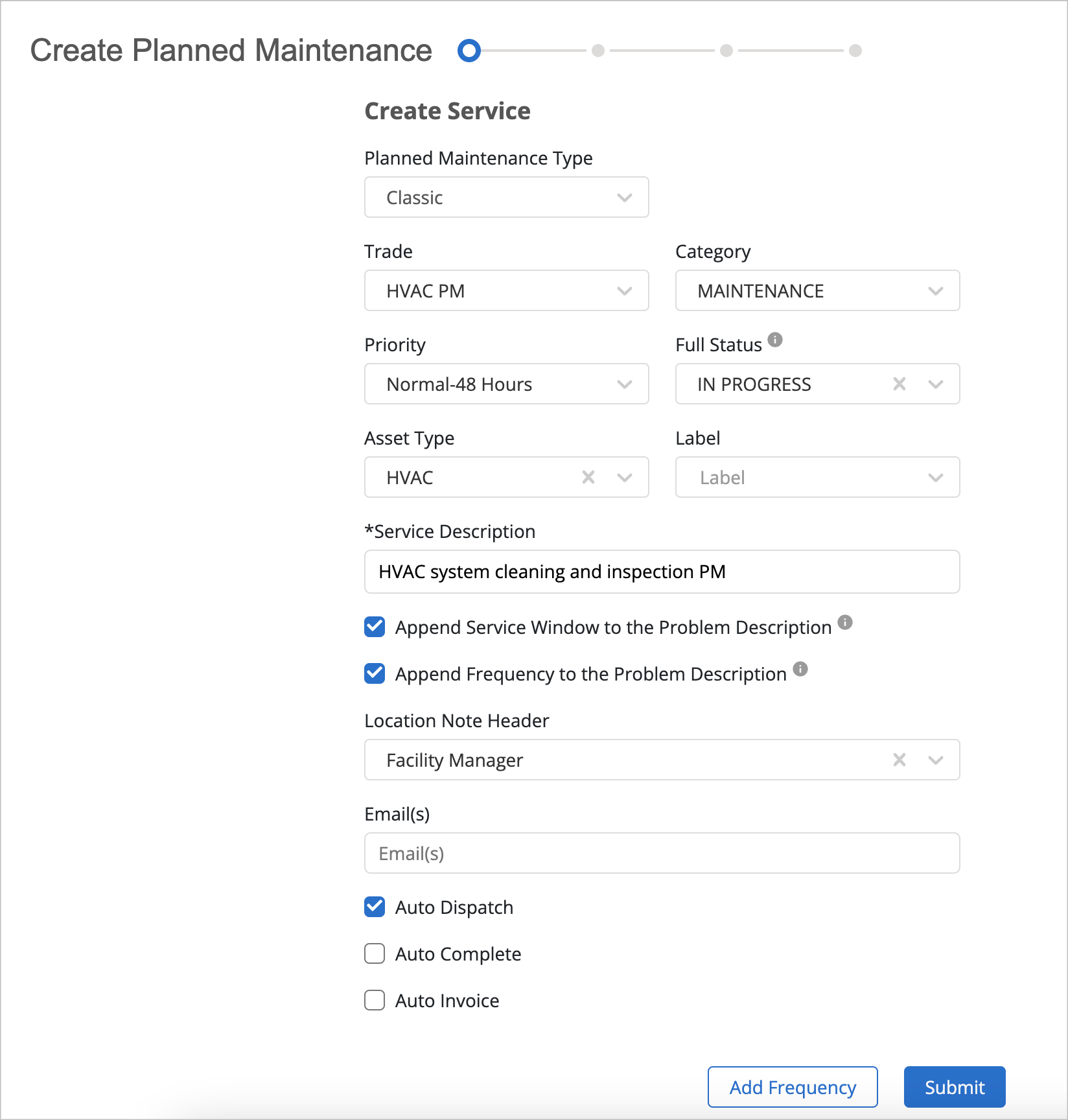
Automate preventive maintenance by asset type and service requirements
Compare repair costs vs. replacement value using real asset performance data
Route warranty-covered work to approved providers automatically
Support capital planning and investment decisions with complete asset data
See how Sam’s Club reduces costs and downtime
I can check on any specific key data point that I need to at any point in time… Any work order, or any one asset, right from my fingertips.
RJ Zanes
Senior Director of Facilities Maintenance at Sam’s Club
The ServiceChannel Assets module makes it easy to get a real-time handle on your assets. It automates the capture of required information when installing, servicing, and replacing capital assets.
Capture data with AI
Create and identify assets quickly and accurately in the field
Snap a photo to capture make, model, and serial number using AI asset recognition
Auto-fill asset fields and let the user confirm values before saving
Reduce manual entry, typing errors, and dependency on physical tags
Attach the right asset to the work order easily so providers arrive prepared and finish the job sooner
User permissions control access to asset creation, while actions are tracked for analytics and reporting
Eliminate manual entry and accelerate asset capture with AI asset recognition
Manage detailed records and maintenance histories for all assets
Manage records
Create a complete, accurate system of record for every asset across your portfolio
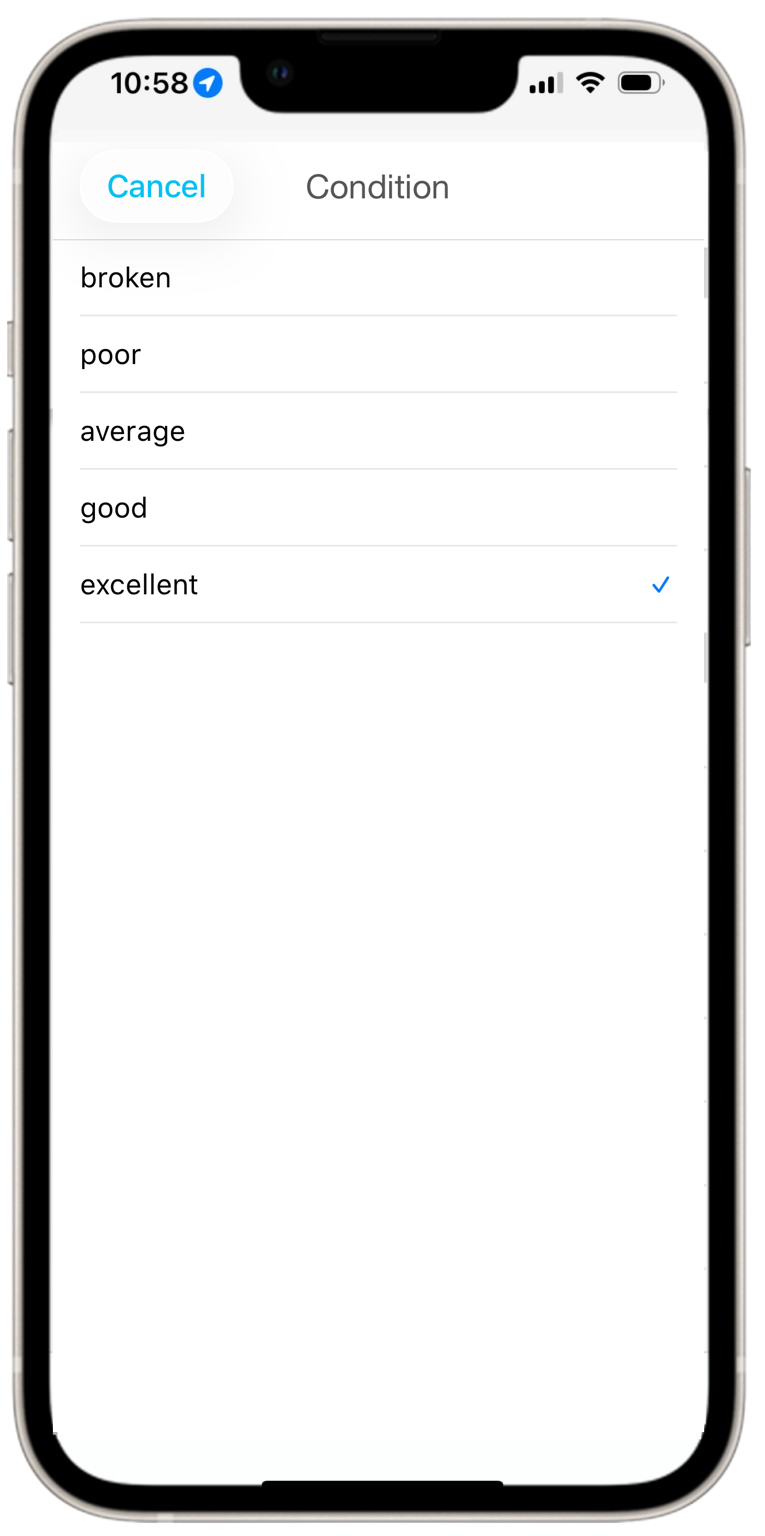
Track make, model, serial number, install date, warranty details, and custom attributes
Attach photos, documentation, and asset-specific notes
Import assets in bulk for onboarding or portfolio updates
Standardize required data fields to improve record quality across brands and regions
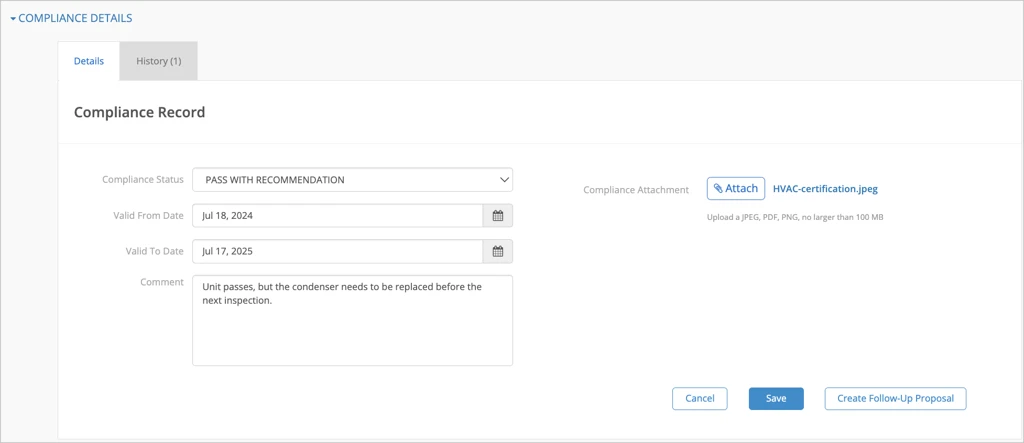
Preserve a complete record of repairs, preventive maintenance, inspections, and changes
Leverage providers
Keep records current without adding internal overhead
Enable providers to create, edit, update, and validate asset records while onsite in the ServiceChannel Provider app
Allow providers to upload asset data they captured in bulk
Control access so only authorized users can create or edit records
Providers improve data quality by updating asset records during service visits
Asset lifecycle management software is a type of asset management system that helps organizations track, maintain, and optimize physical assets from installation through retirement. This asset tracking software centralizes data such as maintenance history, performance, and costs, giving facilities and operations teams real-time visibility into asset health. By replacing manual tools like spreadsheets with a platform system of record, asset lifecycle management software improves uptime, extends equipment lifespan, and enables more informed capital planning and maintenance decisions.
How does ServiceChannel track total cost of ownership?
ServiceChannel helps organizations track total cost of ownership (TCO) by connecting every work order, invoice, and maintenance activity directly to each asset. This provides a complete view of asset-related costs across the entire lifecycle, including repairs, preventive maintenance, and downtime. With built-in asset tracking and reporting tools, teams can monitor spend in real time, set cost alerts, and analyze trends by asset, location, or provider. This level of visibility makes it easier to reduce costs and make smarter repair vs. replace decisions in facilities management.
Can I integrate asset data with my ERP or finance system?
Yes. ServiceChannel supports ERP integration and finance system integration, allowing asset data to sync automatically across platforms. This ensures your asset management system stays aligned with financial records for accurate accounting, audit readiness, and tax reporting. By integrating asset data with ERP systems, organizations can create a single source of truth that connects operations, procurement, and finance, improving efficiency and data accuracy across the business.
How do providers update asset records in the field?
Providers can update asset records using the ServiceChannel Provider app. By scanning asset tags or barcodes onsite, technicians can create, edit, and validate asset details directly from the field. This mobile-first approach to asset tracking and field service management ensures accurate, up-to-date records without manual data entry. It also improves data quality, speeds up service workflows, and enhances visibility into asset performance across locations.
Do I need to tag my assets to get started?
While it isn’t required, we recommend asset tagging for a number of reasons:
Improve asset register accuracy: Tagging allows for quick, accurate inventory counts, replacing time-consuming manual processes, and reducing errors.
Audit and manage compliance with accuracy: Tags ensure data accuracy and consistency, which is vital for financial reporting, audits, and meeting regulatory requirements.
Make informed decisions: With detailed data on asset location, usage, and maintenance history, you can make better, data-driven decisions about procurement, repairs, and replacements.
Extend asset lifecycles: Track maintenance and breakdown history to implement effective preventive maintenance schedules.
Ultimately, asset tags make it easier to operationalize your asset management strategy at scale.
SEE ALSO
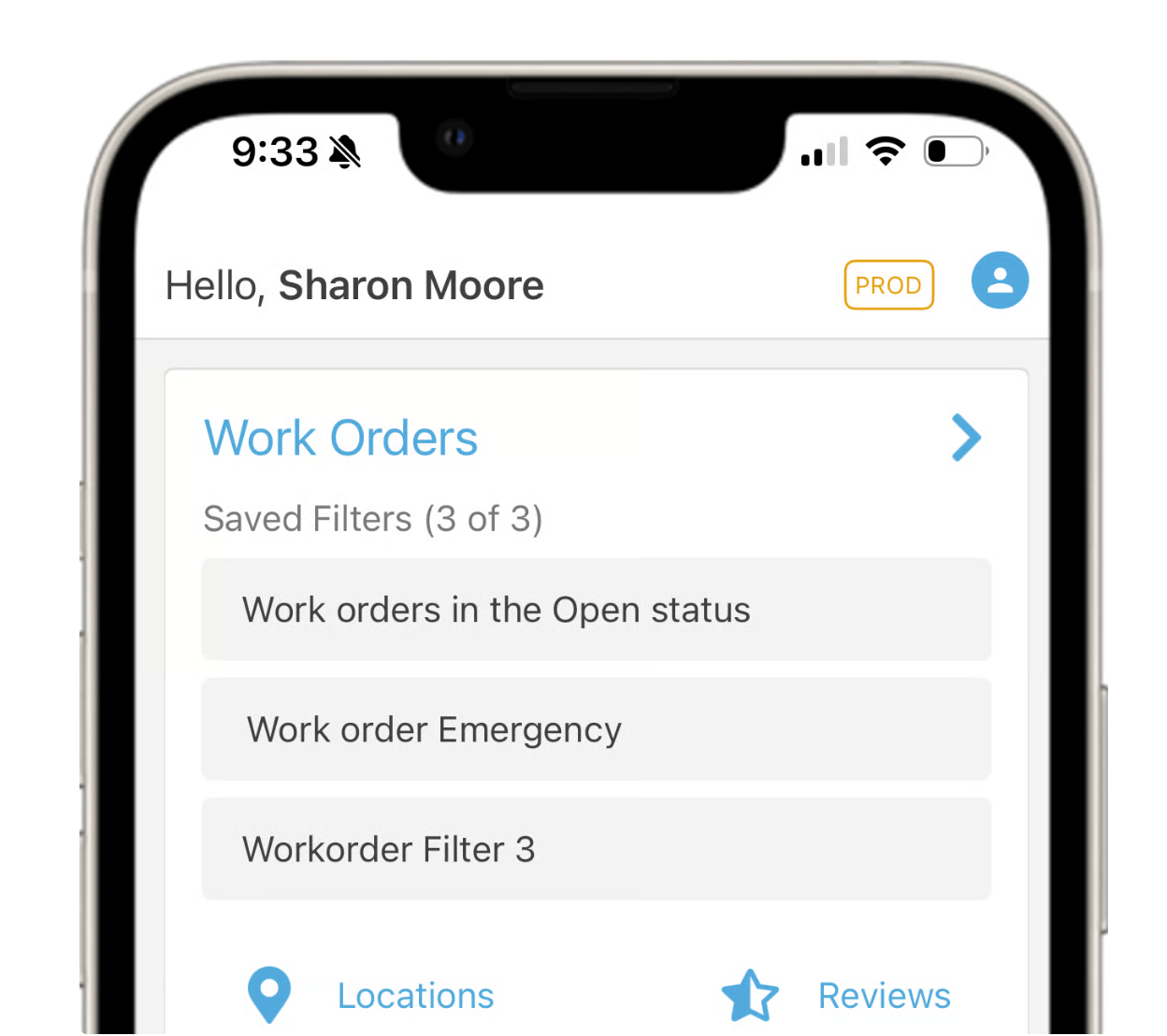
ServiceChannel Mobile App
With the ServiceChannel App, you’re never more than a tap away from your work orders. Onsite or on the road, make every minute of your day productive and ensure issues are resolved promptly.