
The Ultimate Guide to Hotel Facility Management
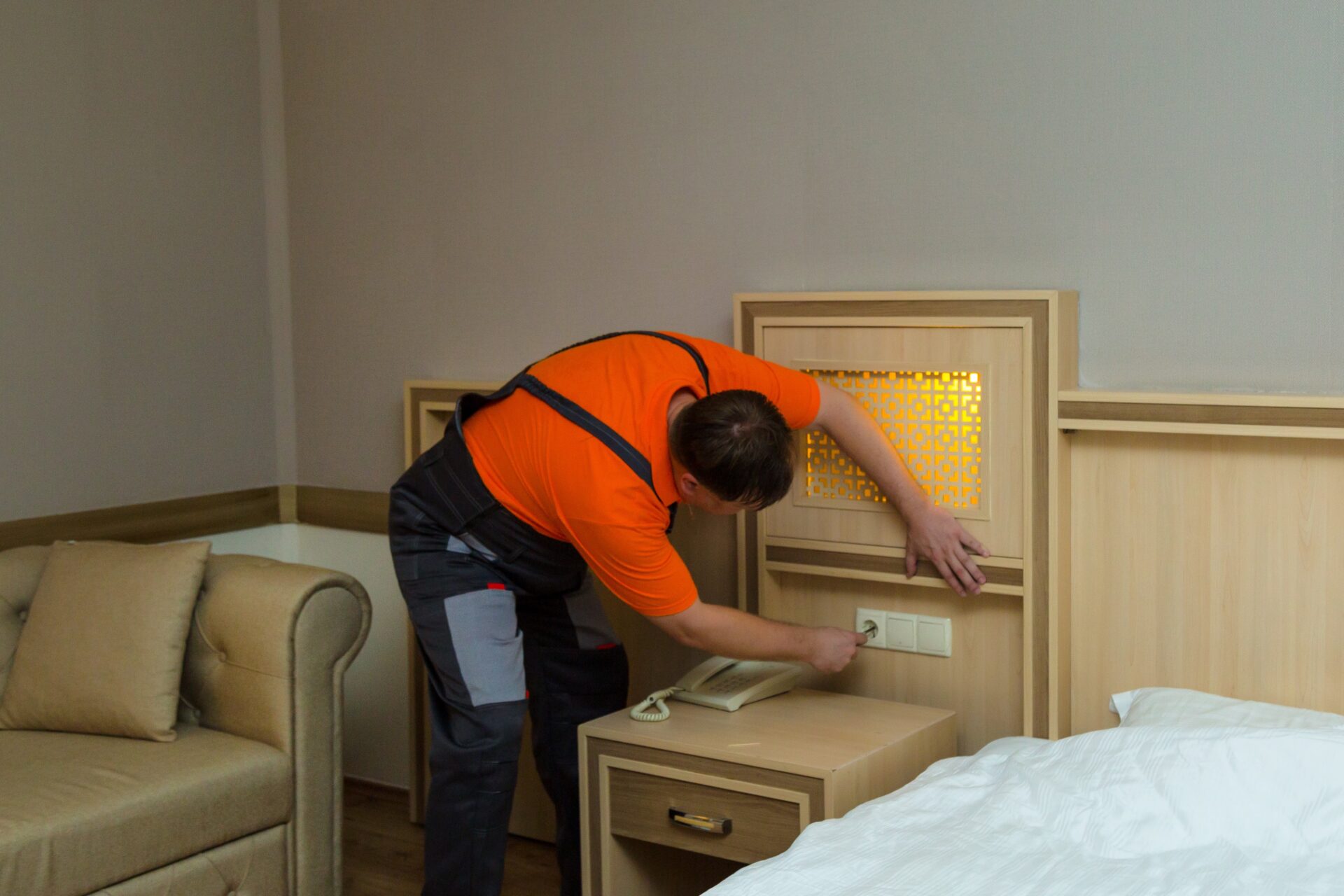
Hotel facility management ensures safe, reliable, guest-ready spaces. Learn best practices to reduce emergencies, control costs, and improve guest satisfaction.

ServiceChannel
Hotel facility management involves overseeing the systems, people, and processes that keep hotel properties safe, reliable, and consistently guest-ready. This work supports a safe environment, reduces unexpected equipment failures, and helps hotels meet and exceed guest expectations across all locations.
A structured hotel management plan is the best way for any hotel brand to optimize its budget, reduce guest complaints, and increase visibility across hotel operations. That’s why it helps to have centralized tracking and a planned maintenance program. Having both of these facets in place will help reduce emergency calls and support more predictable spend.
To help you achieve these goals, our guide will explore hotel facility management in greater detail. We will explain what it is, why it matters, its key components, and the leading best practices that you can follow.
Key Takeaways:
- Hotel facility management is the oversight of all processes within a hotel facility.
- Proper hotel facility management practices increase guest satisfaction, which increases revenue through new and recurring bookings.
- Well-maintained hotels run smoothly because staff can focus on guests rather than on fixing issues.
- Hotels that adhere to facility management best practices see fewer emergencies, consistent standards, and better spend control.
What Is Hotel Facility Management?
Hotel facility management encompasses the oversight, maintenance, and optimization of all physical assets within a hotel property and across multiple hotels within a chain. This work spans guest rooms, conference rooms, fitness centers, spa facilities, kitchens, laundry operations, back-of-house areas, and safety-critical systems. The goal is to keep all of these assets functional, clean, and ready for use.
As with the entire hospitality industry, hotel facility management directly shapes the guest experience. Clean, functional, and well-maintained spaces convey reliability and professionalism. When issues arise, agile hotel facilities teams can respond quickly and limit disruption. Poor visibility into issues and delayed responses can reduce guest satisfaction and may violate safety regulations.
Effective hotel facility management also supports peak operational performance. Planned maintenance, clear tracking of work orders, and high provider performance all help reduce asset downtime and control spend. The better your hotel’s assets perform, the better your overall operational efficiency.
What’s the Difference Between Hotel Facilities Management vs. Maintenance?
Hotel facilities management focuses on the full operation and performance of the property or hotel chain. It covers planning, coordination, and oversight across all building systems, service providers, assets, and compliance needs.
On the other hand, hotel maintenance focuses on the hands-on work required to keep the property or properties running. Key responsibilities include repairing equipment, responding to service requests, performing routine upkeep, and addressing immediate issues that affect comfort or safety.
In other words, maintenance teams execute tasks, while facilities management determines what work needs to be done, when it should be done, and how it fits into broader operational goals.
What Are the Core Components of Hotel Facility Management?
1. Preventive Maintenance
Choosing the right preventive maintenance strategies is key to preventing costly emergency repairs. Additionally, it’s a great way to reduce maintenance costs, maintain seamless operations, and ensure peak performance during peak periods. This means your staff has more time to focus on guest service rather than on reporting maintenance issues.
For both the guest experience and safety regulations, your hotel facility management team needs to have a clear maintenance plan for your:
- HVAC systems
- Fire safety equipment
- Electrical systems
- Plumbing systems
- Elevators
- Guest, event, and meeting rooms
- Swimming pools and other amenities
2. Compliance and Risk Management Practices
Adhering to health and safety compliance regulations is as much about guest satisfaction as it is about following the law. Failing to make an effort to protect guest safety will also tarnish your brand’s image. For example, if a hotel fails to keep stairwells well-lit and ignores loose handrails that staff reported weeks earlier, a guest may trip on the stairs and be injured. That guest may then share photos and the story online. As a result, the hotel loses future clients.
Another core component of risk management in hotels is the practice of emergency procedures. By law, every hotel must have emergency response plans for fire safety and other potentially dangerous events. These safety regulations may vary by region, so research what your hotel facilities must implement. If you run hotels in various regions, you will need to implement the correct health and safety regulations for each one.
Following the Americans with Disabilities Act (ADA) guidelines also helps you attract a wider range of satisfied guests. Ensuring compliance with ADA includes:
- Providing step-free entrances, ramps, and elevators
- Offering accessible guest rooms with wider doorways, roll-in showers, and grab bars
- Installing clear signage with readable fonts, proper contrast, and braille
- Keeping accessibility features in working condition and addressing reported issues promptly
3. Regular Upkeep of Guest-Facing Areas
Clean, well-maintained rooms and amenities create a positive impression on guests, which can lead to repeat bookings and referrals. Both your maintenance staff and your housekeeping department are responsible for this work.
Maintenance personnel can help ensure that all equipment runs at peak performance by regularly inspecting equipment before it breaks down. Efficient housekeeping is integral to maintaining hygiene standards that can also affect guest safety.
4. Sustainable Practices
Sustainable practices such as energy-efficient lighting, water management, and renewable energy can reduce your environmental impact and attract more guests to your hotel. Additionally, energy-efficient systems tend to wear less, so you won’t need to replace your equipment as often.
Why Hotel Facility Management Matters for Guest Satisfaction and Your Hotel’s Reputation
Guest expectations are high because people compare every stay to their best experience. Plus, online reviews and photo-heavy listings make it easy for guests to spot small gaps between what a hotel promises and what it delivers. For these and other reasons, it’s crucial for your operations manager to clearly understand how each hotel in your chain operates.
For instance, HVAC system malfunctions may impact the comfort of your guest rooms. If a problem appears on a review website, it could potentially impact your future earnings by discouraging prospective customers from choosing your hotel. Additionally, a guest who had a poor experience at a hotel is unlikely to choose that same hotel again.
You also need to cater to more environmentally conscious guests than you would have in the past. Booking.com’s research found that 84% of travelers prioritized hotels with eco-friendly practices in 2025. That’s nearly double what it was just a few years ago, as the same research in 2016 found that preserving the environment was a priority for only 42% of travelers.
To cater to this increasingly large audience, smart room features can help. Hotels that leverage smart technology reduce waste and energy use in ways guests can see and appreciate. Automated lighting and climate controls adjust when a room is unoccupied, which limits unnecessary power use without relying on staff intervention.
Best Practices for Modern Hotel Facility Management
Use Maintenance Schedules Based on Data
Build your maintenance schedules using actual equipment performance data rather than fixed calendars alone. Work order history, system run time, and past failure patterns give teams visibility into when assets need attention. This approach helps staff address issues earlier, reduce unexpected downtime, and extend the usable life of your equipment.
Standardize Procedures Across All Hotel Departments
General asset management best practices apply to most hotels. However, it can be challenging to ensure all hotel departments follow the same standards, especially if your business has multiple locations. Document and standardize facility procedures across housekeeping, front desk, engineering, and management. Clear procedures and SOPs show staff how to report issues, submit maintenance requests, and escalate urgent situations.
Train Staff Regularly
Ongoing staff training should cover safety practices, system basics, and how to report issues accurately. Regular refreshers help teams stay up to date as systems, tools, and layouts evolve. These sessions also keep everyone aligned, enabling all departments to handle tasks efficiently and professionally.
Improve Communication and Coordination
Facility management works best when departments share information clearly and consistently. Centralized ticketing systems, clear handoff processes, and regular check-ins help teams stay aligned. Better coordination also helps prevent duplicate work and missed issues.
Use Key Performance Indicators (KPIs)
It’s important for hotel facility management teams to track KPIs that reflect reliability, response speed, and workload trends. Examples include work order completion time, repeat repair rates, and preventive maintenance completion levels. These indicators help leaders spot patterns and adjust staffing or processes before issues escalate.
How Technology (and ServiceChannel) Help the Hotel Industry Enhance Guest Experiences
Centralized Systems Improve Visibility
Visibility across hotel properties is essential for consistent service quality. Centralized hotel management software can consolidate maintenance history, asset statuses, and service provider performance into a single dashboard, so managers can quickly see trends and issues at a glance. That visibility lets leaders compare performance across locations and standardize protocols.
Automated Scheduling Reduces Emergencies
Automating scheduling and work order creation helps teams plan ahead. This approach reduces unplanned repairs and extends asset lifespans by enabling your staff to address issues earlier. In fact, some facilities see up to 44% faster work order resolution when scheduling and task routing are automated.
Performance Data Helps Hotels Identify Top Providers
To maintain hotel properties effectively, you need to know which service providers deliver reliable results. Performance data helps you compare providers on speed, quality, and spend — so you can make confident decisions. With facility management tools, you can track provider reliability and refine your network based on real results, not guesswork, when you have visibility into the work process.
Real-Time Dashboards Give Hotel Facilities Managers Clarity
Hotel management needs up-to-date information to make quick decisions. They can find it by using real-time dashboards that show active work orders, overdue tasks, and asset health across the hotel premises. Facility management teams with this level of real-time visibility spend up to 96% less time on team coordination.
Platforms like ServiceChannel help hotels reduce costly emergency repairs by tracking asset health and automating preventive maintenance requests. Our experts can also direct you to a vetted pool of professional maintenance contractors so you can outsource the work you need to a trusted provider.
Learn how modern hotels deliver exceptional guest experiences for today’s travelers. Book a demo today.
Frequently Asked Questions About Hotel Facility Management
Hotels can reduce maintenance emergencies by shifting from reactive to proactive maintenance strategies. To make this shift, start by tracking asset age and service history, scheduling routine inspections, and replacing parts before failure windows hit.
Future trends in hotel facility management indicate that more hotels are adopting data-driven, preventive practices. Hotels are expected to rely more on predictive maintenance tools, connected building systems, and real-time monitoring to spot issues and enhance operational resilience.
A hotel operations manager oversees the daily work that keeps hotel operations running smoothly. This role focuses on guest experience, staff coordination, and resource efficiency. They’re also typically responsible for ensuring the hotel maintains high business performance.