Skip To Content
SERVICECHANNEL PLATFORM

Asset Integrations

Cut downtime by connecting your assets and sensors to ServiceChannel
Book a Demo

Turn asset data into connected intelligence

  • Reduce downtime with faster issue detection

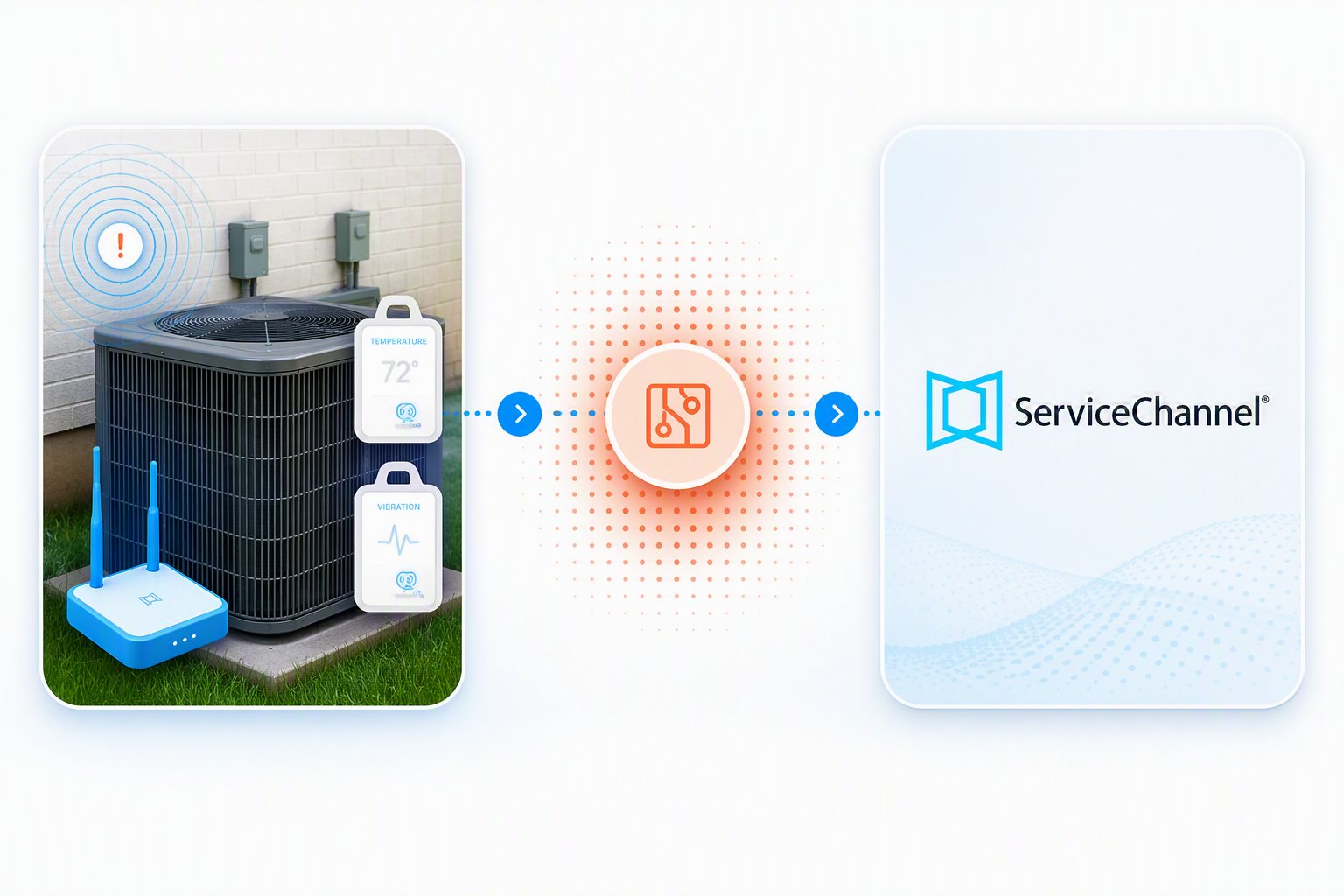
    Connect monitoring systems to ServiceChannel so asset issues can trigger work orders automatically before failures disrupt operations.

  • Eliminate manual data gaps

    Sync asset records across systems to reduce duplicate entry, inconsistent records, and disconnected maintenance histories.

  • Make asset data more actionable

    Turn asset signals, service history, and operational data into smarter maintenance, repair, and capital planning decisions.

Highlights

  • Sync asset records with ERP, IoT, and remote monitoring platforms 
  • Trigger and prioritize work orders automatically from equipment alerts and condition-based signals 
  • Reduce manual entry, duplicate records, and disconnected workflows 
  • Give providers better asset context before arriving onsite 
  • Support proactive maintenance with connected equipment data 
  • Improve reporting with more complete, consistent asset records 
We drive best practices and innovation through preventative maintenance and condition-based monitoring systems.

RJ Zanes Former Senior Director of Facilities Maintenance at Sam’s Club

Features

ServiceChannel asset integrations help connect asset data across your systems so you can act on issues faster. Reduce manual updates, catch problems earlier, and prevent costly downtime by syncing asset records and monitoring critical alerts.

Connect asset systems

Create a unified view of asset data across your technology ecosystem

  • Sync asset records across ServiceChannel and external business systems
  • Connect ERP, finance, CMMS, IoT, and remote monitoring platforms
  • Keep asset details aligned across systems to reduce duplicate work
  • Improve data consistency across locations, providers, and departments
  • Support more accurate reporting with connected asset records

Condition-based maintenance

Turn connected asset alerts into faster, more proactive maintenance action

  • Trigger work orders automatically from predictive alerts and condition-based monitoring, including partners Monaire and LoweConex 
  • Use equipment data to identify abnormal performance, faults, or failures earlier
  • Prioritize maintenance based on asset condition, urgency, and operational impact
  • Route asset-related issues to the right providers faster and help them arrive prepared
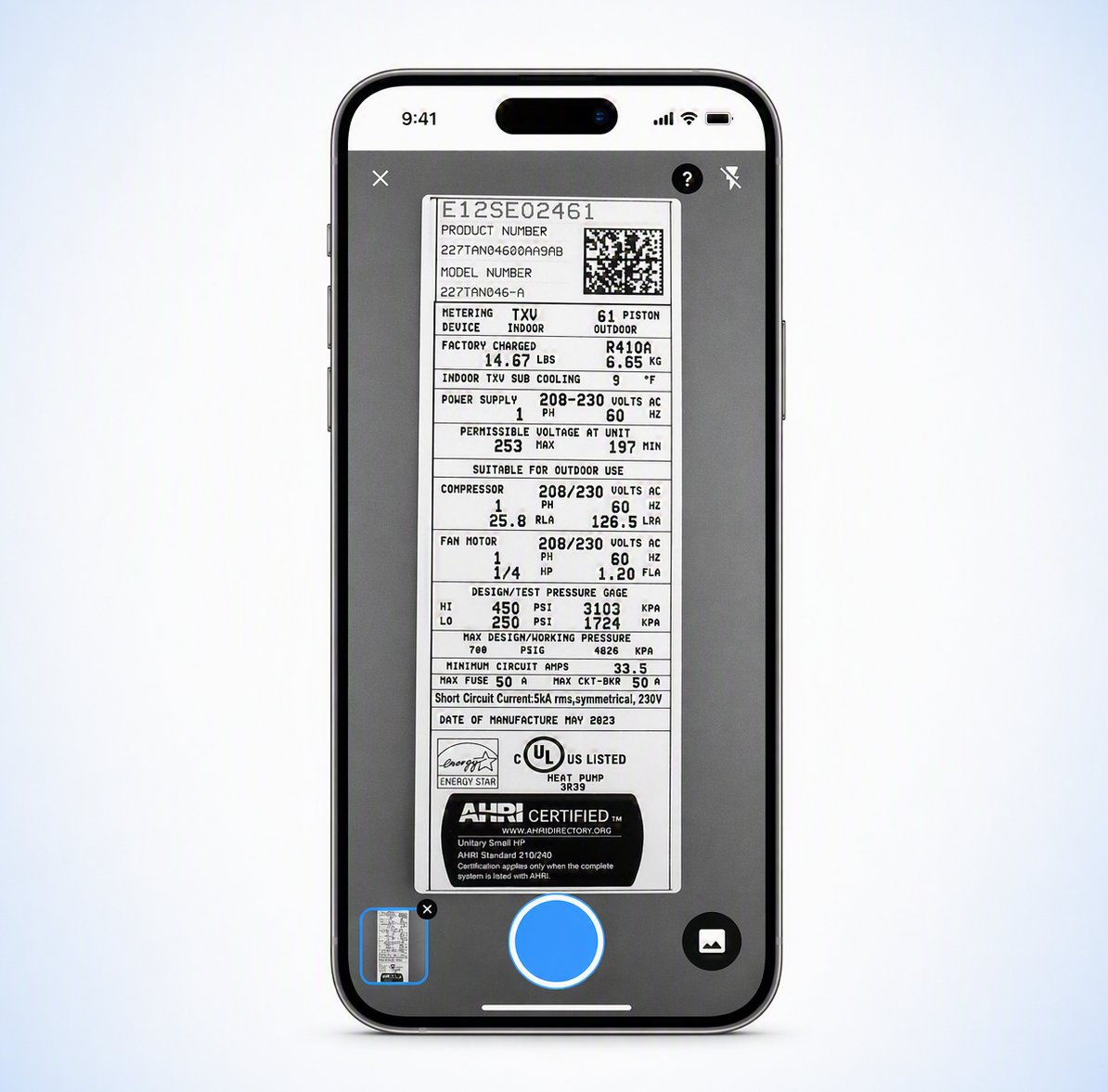
  • Providers can validate asset data onsite with Asset Validation
  • Reduce delays caused by manual issue detection and work order creation
  • Help teams respond before small issues become costly failures or downtime

Sync records

Keep asset data accurate, connected, and consistent across every system, location, and team

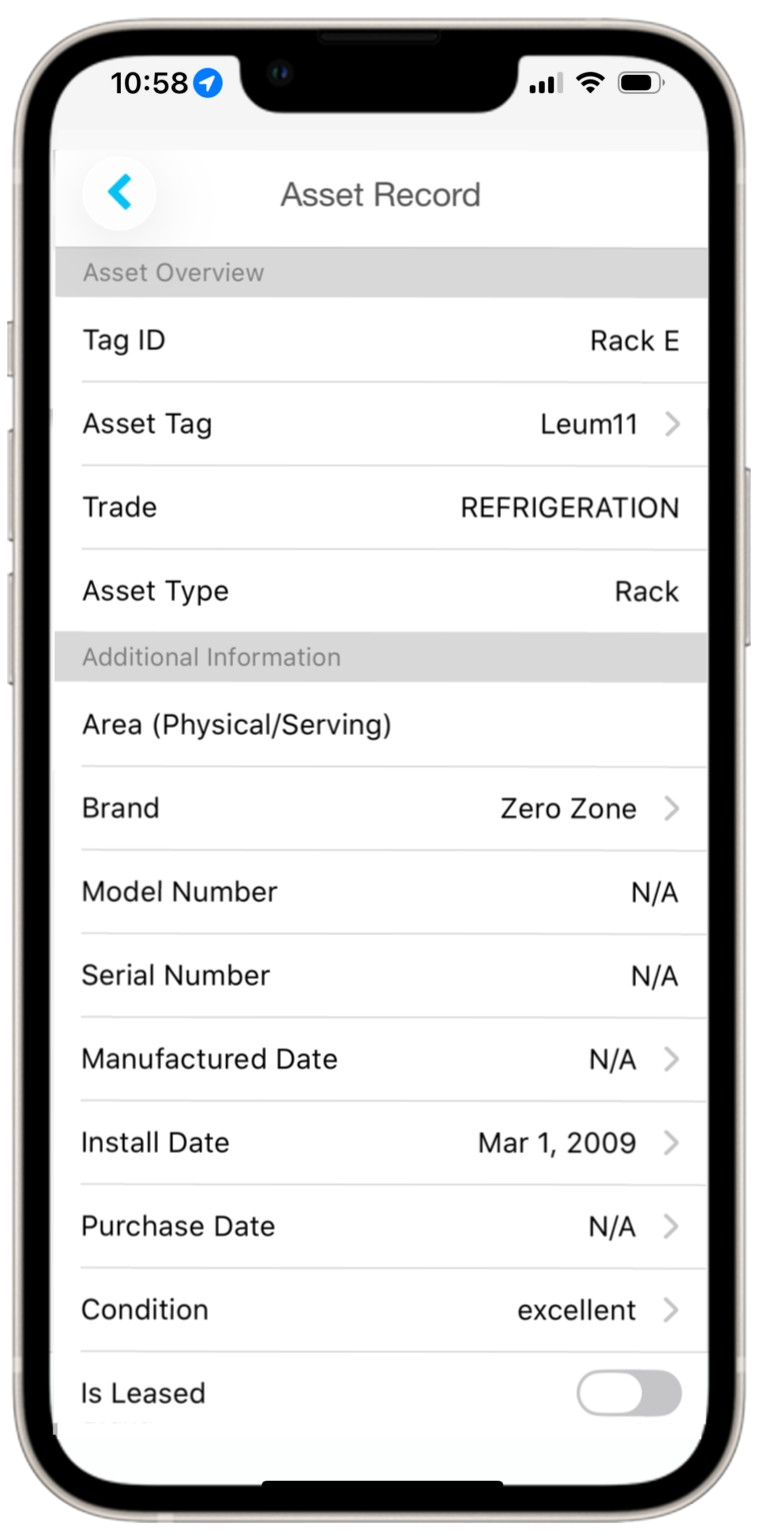
  • Sync asset details such as make, model, serial number, location, and status across ServiceChannel and external systems
  • Reduce data gaps, duplicate records, and manual updates as equipment is added, serviced, or replaced
  • Give providers access to accurate asset context in the field to improve service execution

Strengthen reporting

Use connected data to make smarter operational decisions

  • Support repair vs. replace and capital planning decisions with more complete data
  • Improve visibility into asset reliability and total cost of ownership
  • Combine asset, work order, cost, and performance data for better analysis
  • Track issues by asset, location, provider, region, and category
  • Identify recurring failures and high-cost equipment faster

Support capital planning

Turn connected asset intelligence into investment decisions

  • Use maintenance history, downtime, and total cost of ownership to make repair vs. replace decisions
  • Compare asset performance across brands, models, suppliers, and locations
  • Prioritize capital investments based on real operational impact
  • Justify replacement decisions with connected cost and performance data
  • Reduce emergency replacements with earlier visibility into asset risk

FAQs

Frequently Asked Questions about Asset Integrations

Can’t find an answer to your question? Get in touch.

What are asset integrations, and what systems can be integrated with asset management software?

Asset integrations connect asset data across facilities management software, ERP, EAM, CMMS, finance platforms, IoT devices, remote monitoring tools, work order systems, and maintenance workflows. These integrations help teams work from a single, accurate source of truth for asset records, service history, cost data, performance insights, and maintenance activity.

How do asset integrations improve maintenance workflows?

Asset integrations give technicians and providers access to accurate asset details, service history, and work order context before they arrive onsite. They can also trigger work orders from remote monitoring alerts, helping teams respond faster and reduce asset downtime.

How can I get started with asset management?

A successful asset management program starts with understanding where you are today and building toward a complete, validated asset registry. Begin by defining your goals, identifying your most critical assets, and determining what data you’ll need to support maintenance, warranty management, compliance, and capital planning decisions.

Many organizations start with a pilot across a small number of locations, using asset tagging and validation to create accurate records before rolling out portfolio-wide. Once assets are loaded into ServiceChannel, providers keep records accurate from the field, and you can enrich asset data over time with maintenance history, warranty information, refrigerant records, and IoT integrations to support benchmarking, preventive maintenance, compliance, and repair-versus-replace decisions. 

Can asset data be synced across multiple systems?

Yes. Asset integrations can sync asset data across multiple systems to keep records consistent and reduce manual updates. This helps ensure asset details such as make, model, serial number, location, warranty status, and maintenance history stay accurate across the organization.

How do asset integrations support asset lifecycle management?

Asset integrations connect data across procurement, maintenance, performance, compliance, and capital planning. With a more complete view of asset condition, costs, downtime, and service history, facilities teams can make smarter maintenance, replacement, and investment decisions.

Where can I learn more about ServiceChannel’s asset integrations?

ServiceChannel partners with a growing ecosystem of monitoring, automation, and asset data providers.

Monaire’s AI-powered predictive alerts continuously monitor asset performance, identifying anomalies well before they escalate into costly failures.


LoweConex uses automation, workflows and AI to turn asset alarm insights into action, raising work orders or pushing communications on faults across your business.


Bureau Veritas collects and records a wide range of data including make, model, manufacturer, serial number, condition data, and digital photos of equipment and building systems.

You can learn more about available asset integrations in the ServiceChannel Partner Portal, where you’ll find details on supported partners, connected systems, and options for extending asset data across your facilities management workflows.

SEE ALSO

Assets

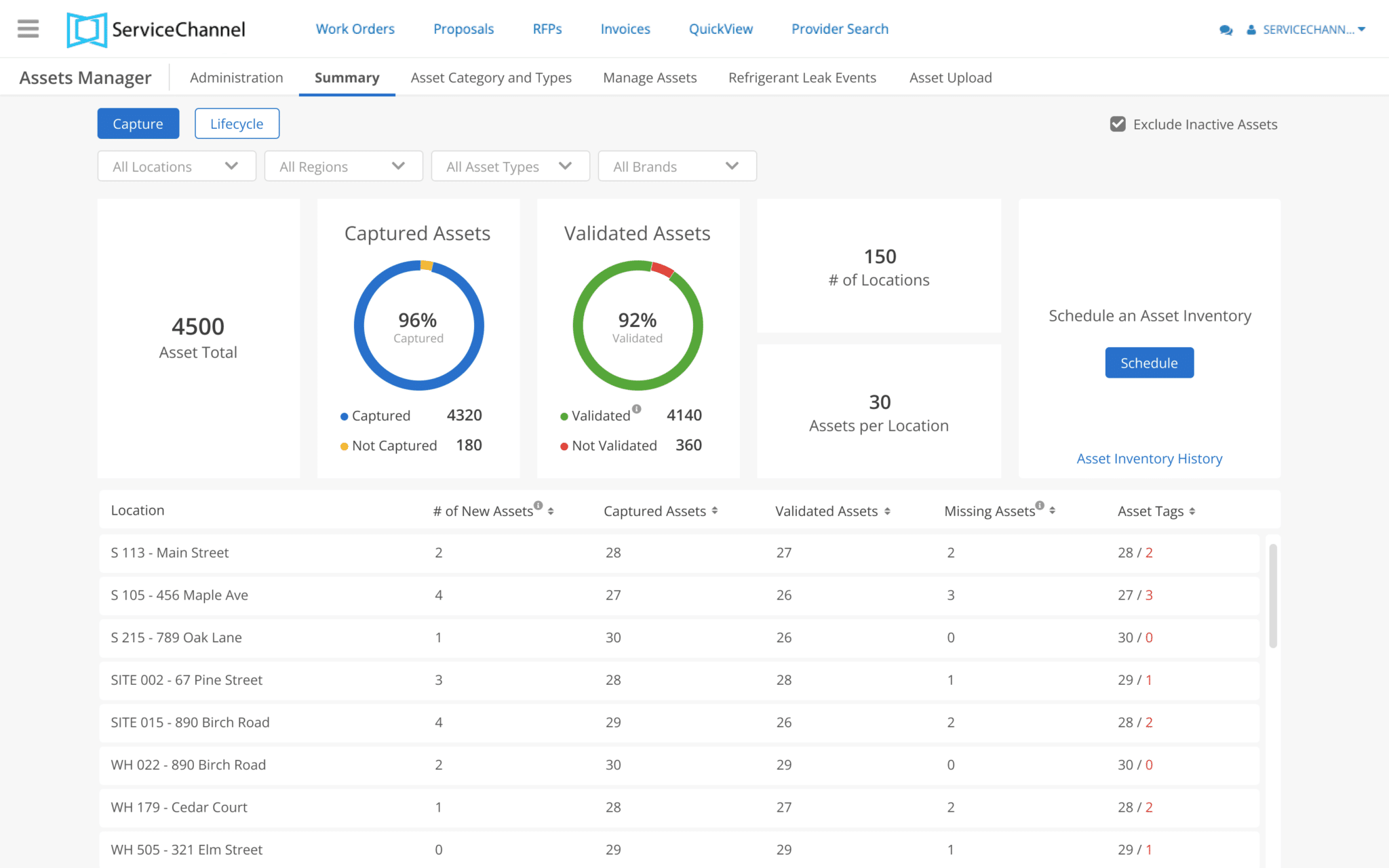
The ServiceChannel Assets module gives you a real-time view of every asset in your portfolio. Capture critical asset data, track service history, and access maintenance records in one place to make smarter repair, replacement, and compliance decisions.

Learn More

Let’s get started

Want to get more from your asset data?

Tell us about your challenges with keeping asset data current, and we’ll help you build a strategy to achieve your goals.

Book a Demo